
The Power of Quality: How Standards Safeguard Lives and Livelihoods
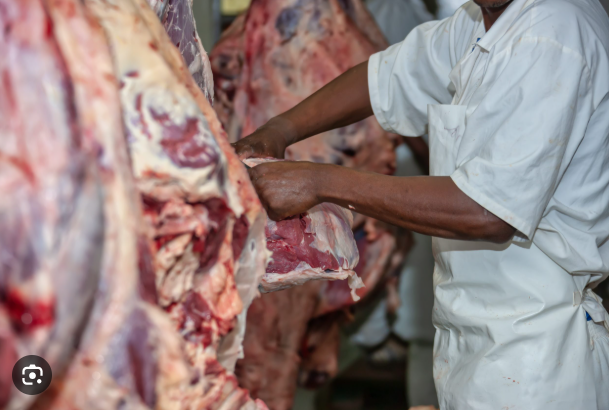
In Uganda’s markets, the butchery business has long been considered a symbol of stability and success. Fresh beef hanging on hooks, the rhythmic sound of chopping, and customers bargaining over cuts of meat are part of daily life.
But behind every kilogram of meat sold lies a deeper story about standards, measurement, safety, and survival.
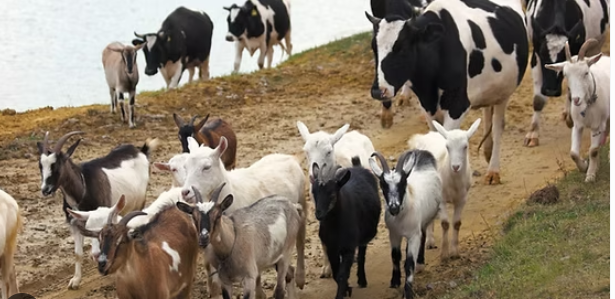
During my field reporting on standards and metrology, I met Mr. Kawooya John, a butcher dealing in cows, goats, and sheep. His story reflects not only the challenges facing small-scale traders but also the crucial role that standards play in protecting both livelihoods and consumers.
A Changing Business Landscape
Mr. Kawooya recalls a time when livestock was abundant and the butchery business was profitable.
“Gone are the days when animals were plenty,” he said. “Back then, this business was a sign of success. I could manage my responsibilities like rent, hospital bills, school fees, and other obligations.”
Today, however, the landscape has changed. Increased competition, high taxes, rising fuel costs, poor-quality animals, and shrinking profits have made survival difficult. Foreign buyers now offer higher prices for livestock and are often given priority, leaving local traders struggling to access quality animals.
Even by-products that once supplemented income have lost value.
“Days back, we would sell one hide at 5,000 shillings. Now it goes for as low as 200 shillings,” he explained. “And yet a kilogram of meat is purchased at 17,000 UGX and sold at around 18,000 UGX, making an average profit of just 1,000 shillings. Many of our colleagues have quit the business.”
These economic pressures highlight the fragile balance between profit and sustainability in Uganda’s meat industry.
The Hidden Backbone: Standards and Inspection
While challenges persist, Mr. Kawooya acknowledges the importance of regulation.
When asked whether he understands standards and metrology, and how he ensures the meat he sells is safe for human consumption, he responded confidently:
“Yes, we have certified veterinary doctors who are licensed. They inspect the animals and put official stamps on every certified piece of meat after slaughter.”
This process is critical.
The Uganda National Bureau of Standards (UNBS), working alongside veterinary and local government authorities, plays a central role in safeguarding public health. Meat inspection ensures that animals are free from diseases such as anthrax, tuberculosis, and other zoonotic infections that can easily spread to humans if not detected.
The official stamp placed on inspected meat is not just ink, it is a mark of safety, assurance, and accountability.
Metrology and Fair Trade
Beyond safety, fairness in trade is equally important.
Mr. Kawooya explained that weighing scales are verified every 12 months to ensure accuracy. This is where metrology — the science of measurement — comes into play.
Accurate weighing protects:
- The consumer from being cheated
- The trader from accusations of dishonesty
- The integrity of the marketplace
However, he expressed concern that the charges associated with scale verification are high, adding to the burden of small businesses.
This raises an important question: How can regulators balance enforcement with affordability to ensure compliance without pushing traders out of business?
Where UNBS Should Strengthen Intervention
As Uganda works toward strengthening quality infrastructure, several areas require continued and enhanced intervention.
1. Extending Standards Enforcement to Villages
One major challenge lies beyond urban slaughterhouses in rural communities and villages.
During festive seasons such as Christmas, Eid, and other celebrations, many individuals slaughter animals at home or in informal settings simply because they own them. In many cases, these animals are not inspected by certified veterinary officers. Some may carry diseases that are not visible to the naked eye but pose serious health risks to humans.
This creates a dangerous gap in the quality chain.
UNBS, working with district veterinary officers and local authorities, should intensify outreach and enforcement at the grassroots level. Community sensitization programs are needed to educate residents on the importance of certified inspection before slaughter. Mobile inspection units during peak festive seasons could significantly reduce the risk of contaminated meat entering households.
Quality assurance should not end at town abattoirs, it must reach villages where informal slaughter is common.
2. Strengthening Meat Inspection Systems
UNBS, in collaboration with veterinary departments, should intensify inspections at slaughterhouses to ensure that only healthy animals enter the food chain.
Regular monitoring and strict penalties for non-compliance would deter illegal slaughter practices.
3. Monitoring Weighing Equipment Regularly
Periodic calibration of weighing scales should remain mandatory and accessible. Subsidized verification programs for small-scale traders could improve compliance and reduce resistance to enforcement.
4. Combating Substandard and Illegal Slaughter Points
Unregulated slaughter points pose serious public health risks. Stronger surveillance and enforcement are necessary to eliminate illegal operations, especially in peri-urban and rural trading centers.
5. Public Awareness Campaigns
Consumers should be educated to look for official inspection stamps and verified weighing scales when purchasing meat. An informed public is a powerful ally in enforcing standards.
Conclusion
It is a reminder that behind every piece of meat sold in Uganda is a system of inspection, measurement, and regulation designed to protect the public.
“The Power of Quality” lies not only in ensuring healthy meat for healthy living but also in safeguarding the dignity and survival of hardworking Ugandans.
When standards work effectively from major slaughterhouses to the smallest village they do more than regulate. They save lives, protect incomes, and strengthen the nation.