
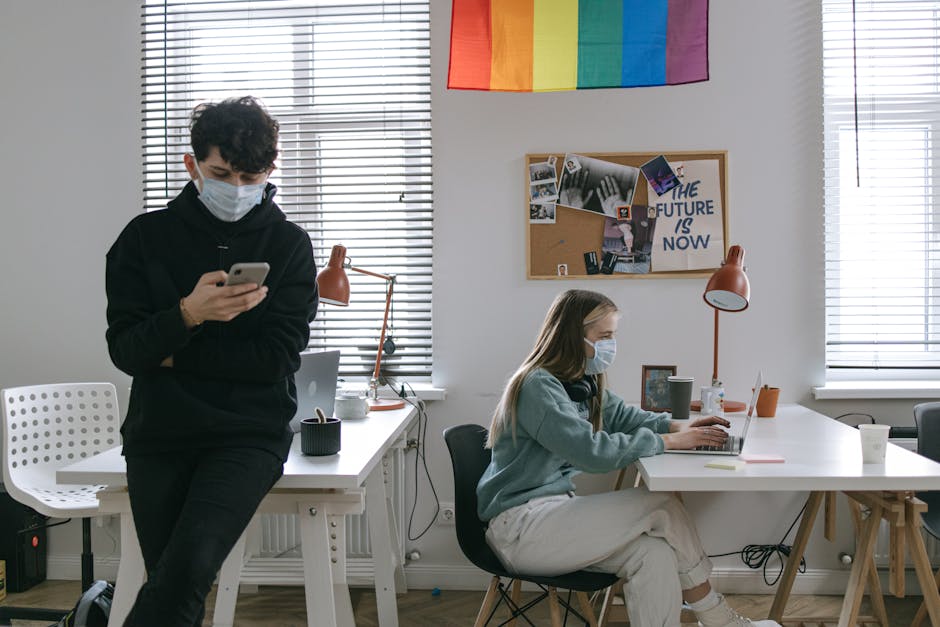
The Future of Remote Work: Embracing Flexibility and Adaptability
[ucmr_podcast_player post_id=”8355″]
Shifting Paradigms in Workplace Dynamics
The landscape of work has undergone a significant transformation, particularly in the realm of remote employment. What was once seen as a temporary adjustment has now solidified into a core aspect of how businesses operate. This shift is driven by advancements in technology, evolving employee expectations, and a competitive global marketplace demanding innovative solutions.
Embracing Diverse Work Models
In the current job market, the ability to offer diverse working options is essential for attracting skilled professionals. Companies that prioritize flexibility often see improved employee satisfaction and retention. Some prevalent work models include:
- Fully remote positions
- Hybrid setups combining remote and onsite work
- Flexible scheduling to accommodate personal commitments
- Part-time remote opportunities
As you explore these flexible models, consider how personal development can enhance your professional journey. Engaging in personal coaching can significantly boost your skills and adaptability within remote frameworks.
Essential Competencies for Remote Success
To excel in a remote work setting, individuals need to develop certain competencies that facilitate effective collaboration and productivity. Key areas to focus on include:

- Time Management: Effectively balancing professional tasks with personal life is crucial.
- Communication Skills: Clear and concise communication fosters better team interactions.
- Intrinsic Motivation: The ability to remain focused and driven in an independent work environment is vital.
- Technological Proficiency: Being adept with various digital tools enhances collaborative efforts.
Cultivating a Supportive Remote Environment
Organizations need to focus on fostering a supportive culture that enhances the remote work experience. Strategies for achieving this include:
- Frequent team check-ins and virtual gatherings
- Encouraging informal social connections among staff
- Offering resources for mental health support
A positive remote culture not only boosts morale but also enhances overall productivity. Leadership plays a pivotal role in establishing norms that prioritize work-life balance.
Anticipating Future Developments in Remote Work
As the dynamics of remote work continue to evolve, several trends are emerging that will shape the future:
- Integration of Artificial Intelligence: AI tools are streamlining operations and increasing productivity.
- Prioritization of Employee Wellness: Companies are increasingly investing in mental health programs and support.
- Global Workforce Access: Organizations are tapping into a worldwide talent pool, fostering diversity.
- Focus on Deliverables Over Time: A shift towards valuing outcomes rather than hours worked is gaining traction.
Final Thoughts
The permanence of remote work underscores the necessity for adaptability and flexibility in the modern workforce. By developing key skills and staying attuned to emerging trends, both employees and organizations can prosper in this evolving landscape. Remember, investing in your personal growth is essential. Consider exploring courses that empower your future as you navigate the opportunities and challenges of remote work. A bright future awaits those who are willing to evolve and embrace change.