

The Evolution of AI-Generated Music: A New Era of Sound Creation
[ucmr_podcast_player post_id=”8019″]
The Rise of AI in Music
The integration of artificial intelligence in music composition marks a significant shift in the creative landscape. By leveraging advanced algorithms and deep learning techniques, AI is now able to craft musical pieces that span a wide spectrum, from intricate classical arrangements to catchy modern tracks. This shift not only alters how music is produced but also opens new avenues for collaboration between technology and human creativity.
How AI Composes Music
AI music composition relies on intricate models that have been trained on extensive libraries of existing musical works. These models dissect the nuances of melody, rhythm, harmony, and instrumentation. Such analysis allows AI to produce original pieces that reflect diverse musical styles. Notable models include:
- Variational Autoencoders (VAEs)
- Transformer Networks
- Convolutional Neural Networks (CNNs)
These cutting-edge technologies empower AI systems to generate music that often rivals human compositions in quality and creativity.
Innovative Uses of AI in Music
The versatility of AI-generated music is evident across various domains:
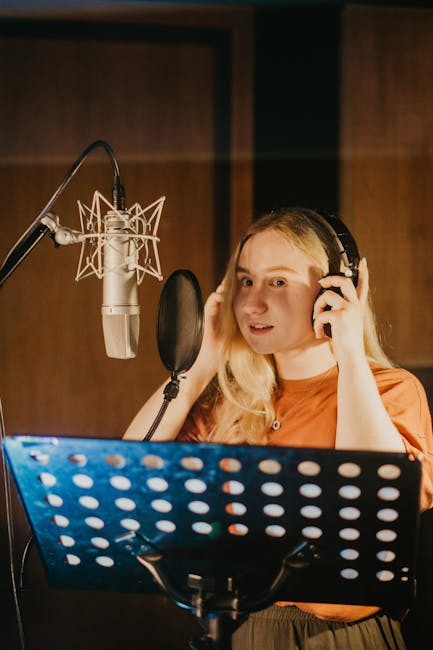
- Soundtrack Creation: AI can tailor music scores for films, enhancing narrative depth and viewer engagement.
- Interactive Media: Video games benefit from adaptive soundtracks that evolve based on player actions, creating a more immersive experience.
- Brand Marketing: Companies utilize AI to craft memorable jingles that resonate with consumers, increasing brand recall.
As AI technology matures, its potential applications in music continue to grow, fostering innovative partnerships between AI and musicians.
Considerations in AI Music Production
Despite the exciting prospects, the rise of AI-generated music brings forth important challenges and ethical dilemmas:
- Intellectual Property: The ownership of music created by AI poses complex legal questions that need to be addressed.
- Creative Quality: There are ongoing discussions about whether AI-generated compositions can truly match the artistic standards set by human musicians.
- Employment Concerns: As AI tools become more capable, fears about the displacement of human artists and composers are increasingly prevalent.
It is essential to navigate these challenges thoughtfully as the music industry embraces AI technology.
The Path Ahead for AI-Generated Music
The future of AI in music composition is bright. Advancements in technology will likely lead to deeper collaborations between human artists and AI, resulting in new genres and innovative sound experiences. This fusion of human artistry and machine intelligence could usher in an exciting era of musical exploration.
Getting Involved in AI Music Creation
If you’re eager to explore the world of AI-generated music, numerous tools and platforms are accessible to both novices and experienced creators. Applications like AIVA and Jukedeck enable users to dive into AI music creation effortlessly.
Additionally, engaging in educational resources that focus on the interplay between technology and music can enhance your understanding and inspire creativity in your compositions.
Final Thoughts
AI-generated music represents a paradigm shift in the music industry, transforming traditional processes and expanding creative possibilities. By understanding the capabilities and implications of AI, artists, producers, and audiences can look forward to a future brimming with innovative musical experiences. As we advance, the synergy between AI and human musicianship will likely redefine the soundscape of tomorrow.