

Exploring Employment Opportunities in Comoros: The Role of Agriculture
[ucmr_podcast_player post_id=”8168″]
The Economic Significance of Agriculture in Comoros
Situated in the Indian Ocean, the Comoros Islands present a fertile ground for diverse employment opportunities, especially within the agriculture sector. This archipelago, rich in natural resources and characterized by a tropical climate, not only relies on agriculture for its economic stability but also creates numerous jobs for its inhabitants. The unique environmental conditions of the islands allow for the cultivation of various crops that cater to both domestic needs and international markets.
Prominent Crops Driving Employment
Comoros is known for its production of several high-value crops, including:
- Cloves
- Vanilla
- Cocoa
- Ylang-ylang
- Cassava
These crops hold substantial market value, creating numerous job opportunities ranging from farming to processing and distribution. For example, the high demand for vanilla and cloves not only enhances local employment but also boosts export potential.
Advocating for Eco-Friendly Farming
As the agricultural industry in Comoros expands, embracing eco-friendly farming methods becomes essential. Sustainable agriculture not only preserves the ecological balance but also offers new job prospects in:
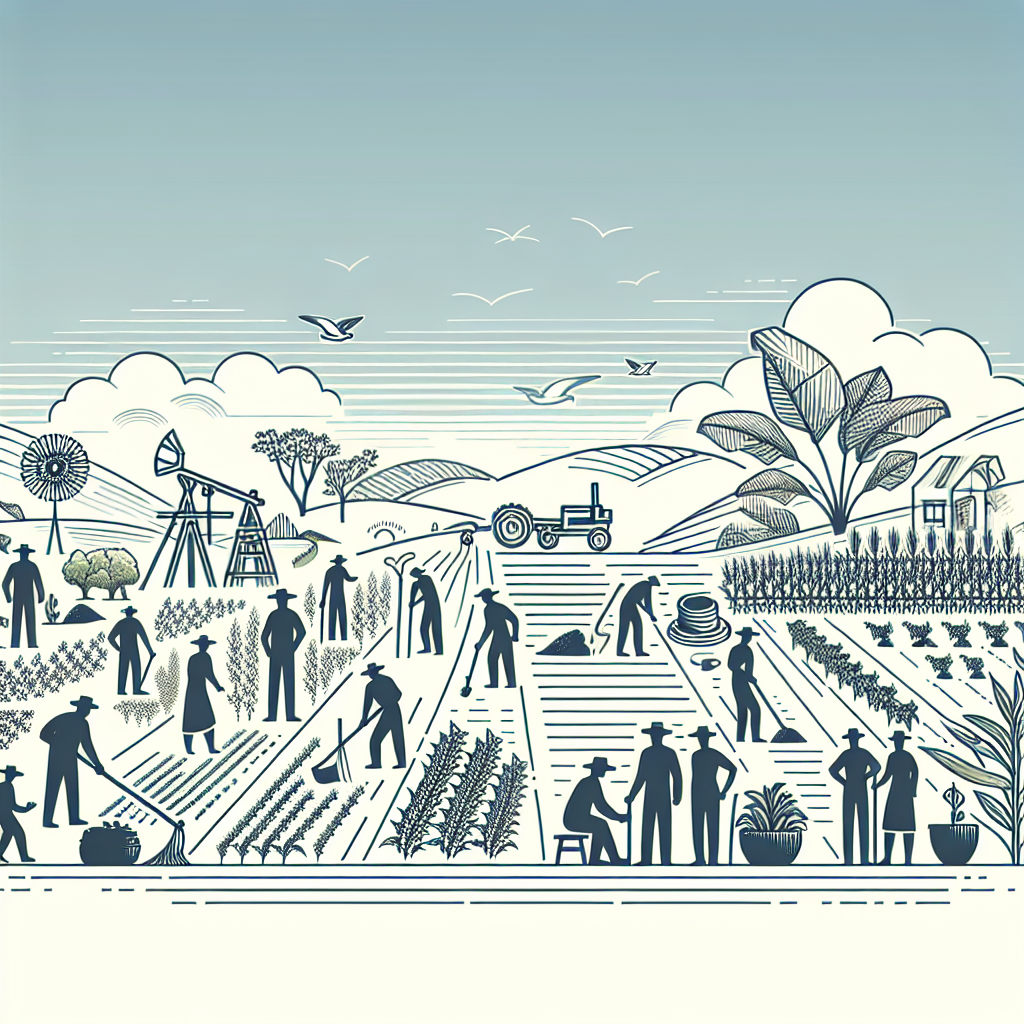
- Renewable energy farming
- Permaculture
- Water conservation techniques
These practices are increasingly recognized for their role in fostering a sustainable agricultural framework that benefits both the economy and the environment.
Career Paths in Comoros’ Agricultural Sector
The agricultural sector in Comoros is rife with career opportunities that cater to various interests and skills. These roles can be classified into several key areas:
1. Crop Production and Management
Individuals keen on agricultural hands-on work can find roles such as:
- Farm Laborers
- Agricultural Managers
- Crop Specialists
Farm laborers are crucial for maintaining daily farming activities, while agricultural managers oversee operations to enhance productivity.
2. Scientific Research in Agriculture
For those with academic backgrounds, research-focused positions are available in agricultural institutions, including:
- Field Researchers
- Agricultural Policy Analysts
- Quality Assurance Officers
These roles are vital for innovating new agricultural approaches and ensuring that production meets quality standards.
3. Marketing and Supply Chain in Agriculture
With increasing demand for agricultural products, marketing and logistics roles are on the rise:
- Marketing Managers
- Logistics Coordinators
- Sales Representatives
These professionals help connect farmers with consumers, ensuring efficient distribution of products.
4. Education and Outreach in Agriculture
As the agricultural landscape evolves, the need for educational roles grows. Possible positions include:
- Agro-educators
- Training Facilitators
- Community Outreach Coordinators
These roles are essential for disseminating knowledge and skills to both new and established farmers, contributing to the sector’s longevity.
Building Relevant Skills
To improve employment prospects in agriculture, individuals should focus on skill development. Engaging in training programs that cover sustainable practices, agricultural business, and marketing can be advantageous. Resources like Agriculture Training Online offer courses that equip candidates with essential competencies.
Finding Agricultural Jobs in Comoros
Prospective candidates can explore job openings in agriculture through various online platforms and local resources. Consider these options:
- Comoros Job Listings – A dedicated portal for employment opportunities in the region.
- Global Agri Careers – An international site focusing on agricultural job openings.
Additionally, building a network within local communities can reveal job opportunities that are not publicly advertised.
Final Thoughts
The Comoros Islands, with their agricultural potential, offer a variety of employment opportunities for individuals eager to contribute to this crucial sector. By gaining a deeper understanding of the agricultural ecosystem and enhancing relevant skills, job seekers can effectively navigate the opportunities available and play a significant role in the growth of this industry.