
A SHOT AT LIFE: HOPE, FEAR, AND THE FIGHT TO PROTECT UGANDA’S CHILDREN
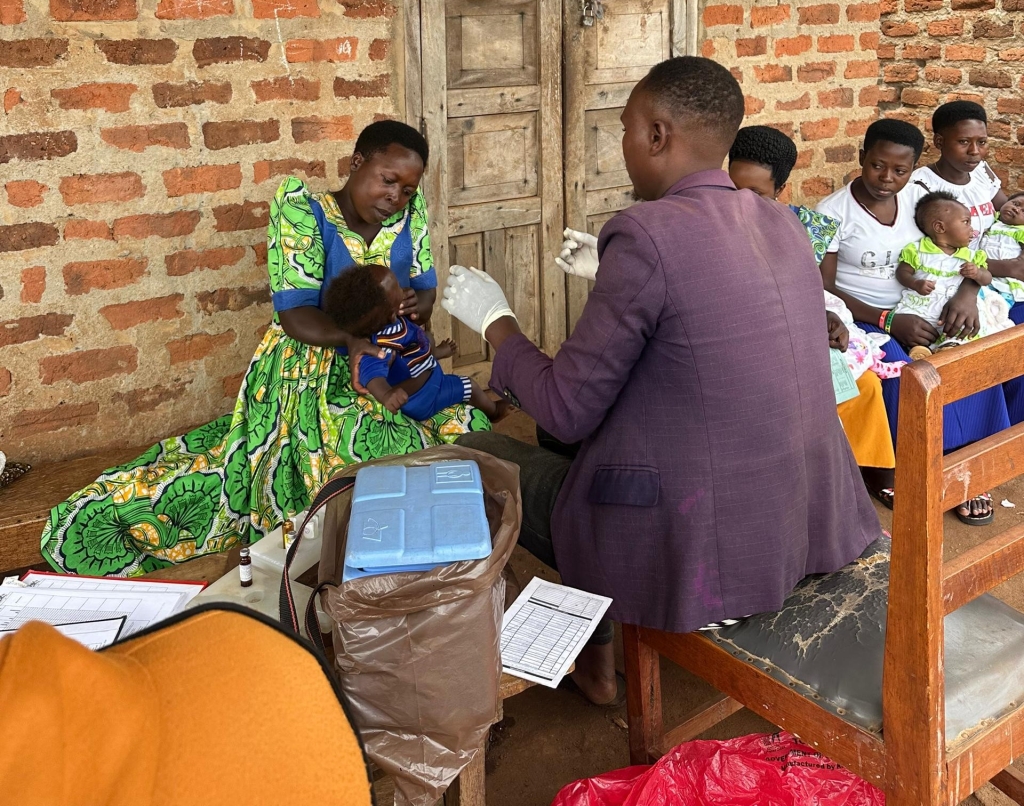
Beyond the statistics and survey forms, what truly remains are the human moments the quiet pauses, the tears of a child, the reassuring voice of a mother, and the steady hands of a health worker determined to protect a life.
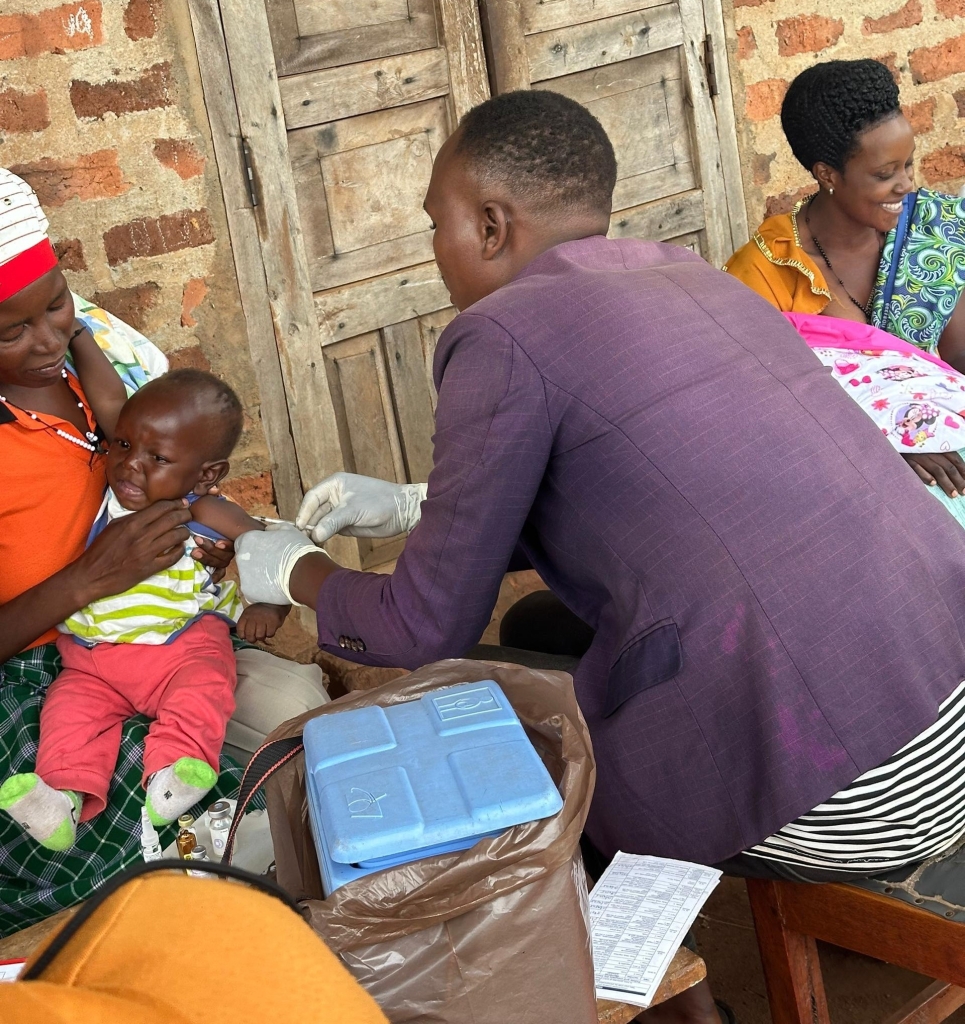
In one home, a young mother held her baby tightly as the Village Health Team member explained the importance of the next vaccine. Her face reflected a mixture of worry and determination. She had heard stories some true, others exaggerated about side effects. Yet, she chose to listen, to ask questions, and ultimately, to act in the best interest of her child.
A few houses away, another parent hesitated. Distance to the health center, lack of transport money, and fear of side effects had caused them to miss previous doses. Their concern was not ignorance it was the weight of daily survival. Choosing between transport to a clinic and putting food on the table is a reality many families quietly face.
These moments reveal something critical: immunization is not just a health service, it is a social, economic, and emotional decision.
What stands out strongly is the role of trust.
Village Health Teams (VHTs) are the bridge between policy and people. When they speak, communities listen, not because they are officials, but because they are neighbors, relatives, and friends. Their influence is built on relationships, not authority. Yet, it is this very group that continues to operate with minimal support, often sacrificing their own comfort to serve others.
Imagine the transformation if these frontline workers were fully equipped if every VHT had reliable transport, protective gear, and consistent facilitation. The reach of immunization programs would not just improve it would expand rapidly, touching even the most remote households.
At the same time, there is a deeper need to address misinformation and fear with empathy, not dismissal. Parents who question vaccines are not enemies of progress
they are caregivers trying to make sense of conflicting information. What they need is not pressure, but patience; not judgment, but clear and honest engagement.
Building a Stronger Future
For Uganda to achieve full immunization coverage, the approach must evolve:
- Bring services closer to the people through regular community outreach programs
- Strengthen communication using local leaders and trusted voices
- Address economic barriers that prevent families from accessing health services
- Recognize and invest in VHTs as the backbone of community health systems
The Bigger Picture
Every vaccinated child represents more than protection against disease it represents progress, resilience, and hope for a stronger nation. Healthy children grow into productive adults, shaping communities and driving development.
The journey is not without challenges, but it is moving forward.
In the laughter of children who have received care, in the commitment of health workers who show up every day, and in the courage of parents who choose protection despite fear there is a powerful story unfolding across Uganda.
A story that reminds us all:
Saving lives does not always happen in hospitals. Sometimes, it begins in small homes, on wooden benches, in conversations led by trusted community voices one child, one parent, one decision at a time.
And if supported well, this story can become a national success one where no child is left vulnerable, and every parent has the power, knowledge, and means to choose life.